
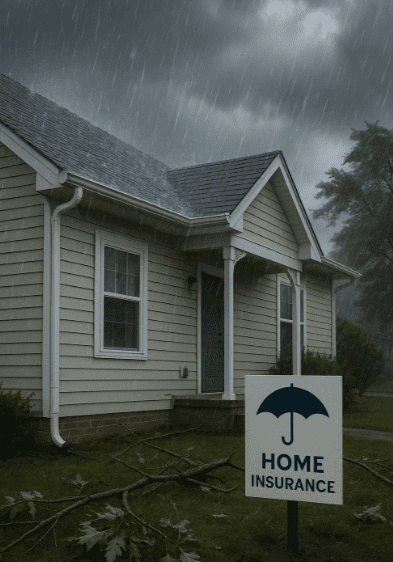
As weather patterns become more unpredictable and severe storms increase in frequency, preparing your home and insurance coverage is more important than ever. A storm-ready home isn’t just about shutters and sandbags—it also means having insurance protection in place that aligns with your risks and property value. Whether you’re a new homeowner or have lived in your home for years, this guide will help you evaluate your personal lines insurance and take meaningful steps toward peace of mind.
Why Insurance Is a Key Part of Storm Readiness
While physical storm preparation is essential, it only addresses part of the risk. Insurance plays a major role in how well you can recover after a storm. Taking time to review your policies and understand your options can help you:
-
Reduce unexpected out-of-pocket expenses
-
Ensure your policy reflects your current home and belongings
-
Speed up recovery and repairs
-
Gain clarity on what is and isn’t covered
Step 1: Review Your Homeowners Insurance Policy
Start with your standard homeowners insurance policy. It’s critical to understand the types of damage that are covered, your policy limits, and any exclusions.
Key areas to review:
-
Dwelling coverage: Does your policy cover the full cost to rebuild your home at today’s construction prices?
-
Personal property: Are your belongings covered at replacement cost, or actual cash value?
-
Other structures: Are detached buildings like sheds or fences included?
-
Loss of use: Will your policy help cover living expenses if you need to leave your home temporarily?
-
Perils covered: Does your policy include wind damage, hail, and other storm-related risks?
Action items:
-
Request a copy of your policy if you don’t have it handy
-
Ask your insurance agent to explain your current coverage
-
Update limits if you’ve renovated, added a room, or upgraded key features
Step 2: Understand Your Deductibles
Deductibles are the amounts you pay before your insurance coverage begins. It’s important to know how your deductibles are structured and what they would mean in the event of a storm.
Types to understand:
-
All-peril deductible: Applies to most losses (e.g., fire, theft)
-
Hurricane or windstorm deductible: Typically a percentage of the dwelling limit
Helpful tips:
-
Review how much you would need to pay out of pocket (e.g., 2% of $300,000 = $6,000)
-
Keep emergency savings available to cover this amount
-
Ask if your policy distinguishes between wind, named storms, and hurricanes
Step 3: Consider Flood Insurance Separately
One of the most important things to know is that standard homeowners insurance does not cover flood damage. To be protected from flooding due to storm surge, heavy rain, or overflowing bodies of water, you’ll need a separate flood policy.
Important considerations:
-
Flood insurance is available through the National Flood Insurance Program (NFIP) and private insurers
-
Coverage includes both the structure and contents, but these are usually listed separately
-
There is often a 30-day waiting period before new policies take effect
What to do:
-
Visit FloodSmart.gov to evaluate your flood risk
-
Ask your agent about adding a flood policy
-
Don’t delay, as waiting periods apply
Step 4: Evaluate Personal Property Coverage
Storms can damage not just your home, but everything inside it. From furniture and clothing to electronics and appliances, ensure your belongings are adequately covered.
To evaluate personal property coverage:
-
Check if your policy uses replacement cost or actual cash value
-
Consider scheduling high-value items like jewelry, art, or collectibles
-
Look into sub-limits for electronics or specialty equipment
Inventory tip:
-
Create a home inventory using photos, videos, or an app
-
Keep digital records stored securely in the cloud
Step 5: Don’t Forget Your Auto Policy
Vehicles can be heavily impacted during severe storms. To prepare, make sure your car insurance includes comprehensive coverage.
Comprehensive coverage typically includes:
-
Damage from falling debris (e.g., trees or branches)
-
Flood-related vehicle loss
-
Damage from wind, hail, or flying objects
Action steps:
-
Verify that each vehicle on your policy has comprehensive coverage
-
Review your deductible for each vehicle
-
If a storm is imminent, consider relocating vehicles to higher ground or covered storage
Step 6: Secure Important Documents
Having access to your insurance documents before and after a storm can make a big difference in your response time.
Best practices:
-
Store physical copies in a waterproof, fireproof safe
-
Upload digital copies to a secure cloud account
-
Include policy numbers, contact information, and claim filing instructions
Having your information easily accessible can reduce delays if you need to file a claim quickly after a storm.
Step 7: Understand the Claims Process Before You Need It
No one wants to think about filing a claim, but understanding how it works beforehand makes it easier when it matters.
Key elements to know:
-
How to file a claim: phone, website, or mobile app
-
What documentation you will need (photos, receipts, inventory list)
-
How inspections and adjusters work
-
Timeframes for claim resolution
Helpful tip:
-
Save your insurer’s contact information in your phone and in a printed emergency folder
Step 8: Take Preventive Measures to Reduce Risk
Many insurance companies recognize the benefits of homeowners who take proactive measures to protect their homes. These steps may also help reduce the chance of storm-related damage.
Examples of preventive measures:
-
Install storm shutters or impact-rated windows
-
Reinforce garage doors
-
Trim back trees and secure outdoor items
-
Clean out gutters and drainage systems
-
Install a sump pump and backup generator
Tip:
-
Ask your insurance provider if they offer any incentives or discounts for mitigation steps
Step 9: Know the Timeline for Coverage Adjustments
It’s important to understand that once a storm is named or approaching your area, many insurance companies may temporarily restrict policy changes.
This may include:
-
Adding new coverage
-
Increasing limits
-
Binding new policies
What you can do:
-
Make adjustments early in the season
-
Conduct annual reviews well in advance of peak storm months
-
Keep in touch with your insurance agent throughout the year
Step 10: Schedule a Policy Review with Your Insurance Agent
One of the best ways to prepare is to sit down with your insurance agent for a personalized review of your coverage.
Topics to cover:
-
Coverage limits and exclusions
-
Deductible amounts and types
-
Whether you need flood insurance
-
Updates to your home or property that affect your policy
-
Available discounts for storm mitigation upgrades
Why it helps:
-
You can clarify confusing language or exclusions
-
It ensures your coverage reflects your current needs
-
It helps identify any gaps or outdated policy details
Final Thoughts: Be Proactive, Not Reactive
Creating a storm-ready home means more than just buying supplies or boarding up windows. It’s also about ensuring your insurance is tailored to protect your home, your belongings, and your financial stability.
A thoughtful review of your policies, combined with proactive risk management, can make all the difference in how you experience and recover from a storm.
Disclaimer: The information provided in this blog is for general informational purposes only. Insurance coverage and eligibility may vary based on individual circumstances and carrier guidelines. No guarantees or promises are made regarding outcomes, coverage, or pricing. For personalized advice, please consult a licensed insurance professional.